What We Do

Services

Every job we quote, from a single cracked panel to a full driveway tear-out.

Home › Services

Everything we take on

Every job below is one we do ourselves across Torrance.

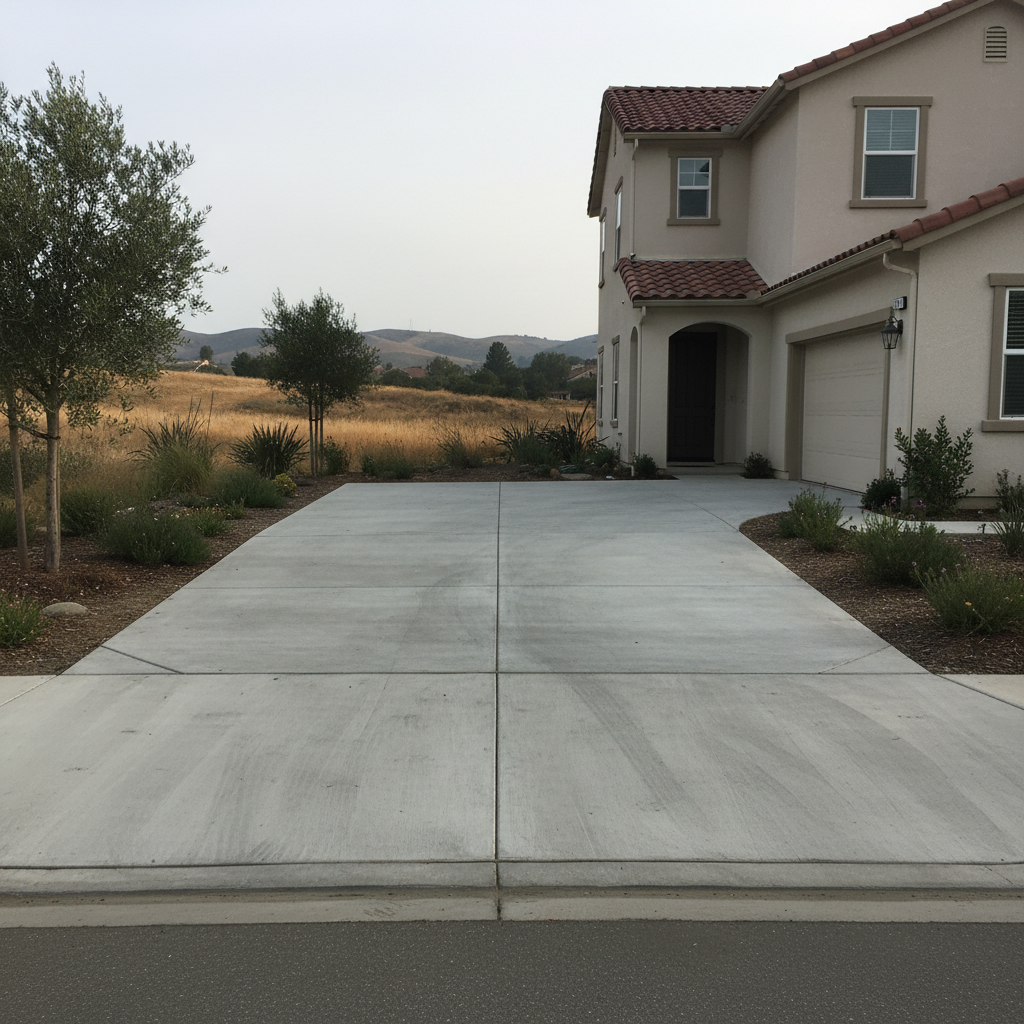
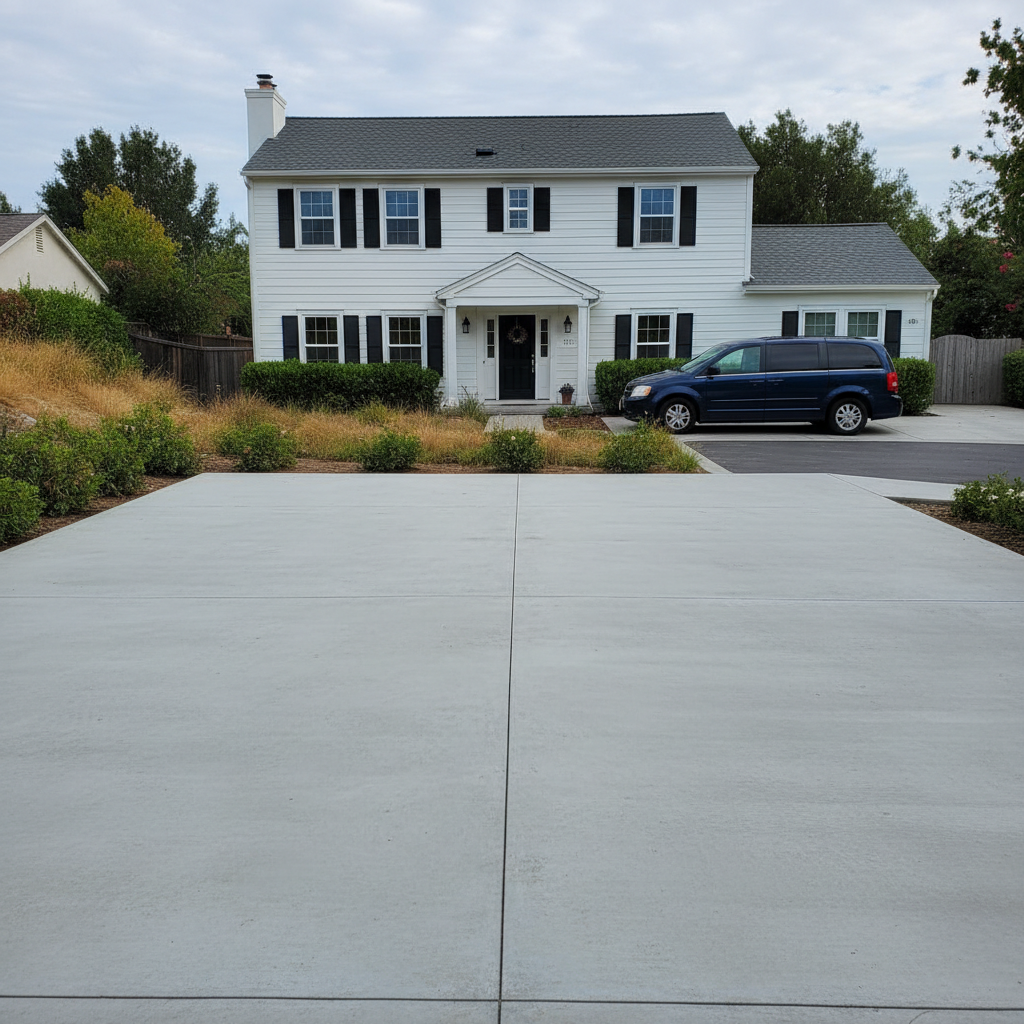
Concrete Driveways

We excavate, compact a gravel base, and form driveways to carry daily car and truck weight without cracking at the edges. Rebar goes in on anything load-bearing, not wire mesh, and we slope the pour so water runs to the street instead of pooling at the garage.

Concrete Patios

A patio slab needs to drain away from the house, usually a quarter inch of fall per foot, or it holds water against your foundation. We finish patios broom, trowel, or exposed aggregate depending on how much slip resistance you want underfoot.

Stamped Concrete

Stamped concrete gets you the look of flagstone, slate, or brick without the joints weeds and ants get into. We color the slab integrally or with a release agent, then seal it so the pattern holds up to sun and foot traffic.

Concrete Walkways

Walkways take a different kind of stress than a driveway, mostly foot traffic and tree roots pushing up from underneath. We isolate them from porch slabs and steps with an expansion joint so the two don't crack against each other as they settle differently.

Concrete Repair

Spalled surfaces, pop-outs, and trip-edge cracks usually don't need a full tear-out. We can grind and patch a section, mudjack a sunken slab back level, or cut out and replace just the panel that's gone, depending on how bad the damage is underneath.

Concrete Slabs

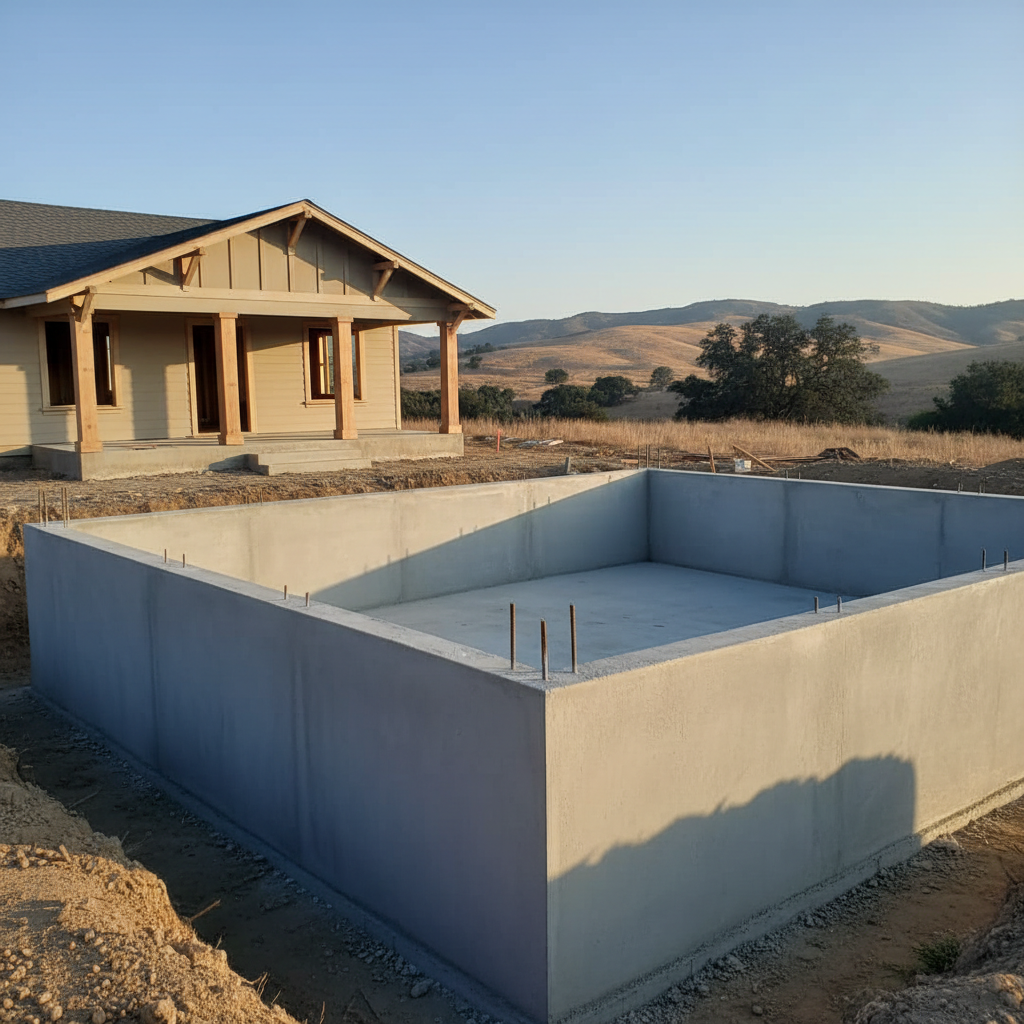
Garage floors, shed pads, ADU foundations and equipment pads all need a slab poured to the load they'll actually carry. We check soil compaction first, since most settling problems trace back to a base that was never compacted right.

Concrete Steps & Porches

Steps have to hold a consistent rise and run or they become a tripping hazard, and that's one of the first things an inspector checks. We form and pour steps to current code and tie them into the porch slab with rebar so they don't separate over time.

Exposed Aggregate Concrete

We expose the stone in the mix by washing off the surface cream before the slab fully sets, which gives you a non-slip finish that holds color longer than a plain broom finish.

Retaining Walls

A retaining wall holds back soil on a sloped lot and keeps it from washing onto your patio every time it rains. We size the footing and drainage behind the wall to the height and soil type, because most retaining wall failures come down to water pressure the wall was never built to handle.

Concrete Resurfacing

If the slab underneath is still structurally sound, a thin overlay can fix surface scaling, discoloration, or minor cracking without the cost of a full replacement. We won't recommend resurfacing over a slab that's actually broken or settling, since the overlay will just crack again.

How It Works

Four steps, and no surprises in any of them.

01

We come and look

You tell us what you want doing, we look at what is actually there, and we ask the awkward questions early.

02

You get a price

In writing, itemised, free. If something might add cost later we flag it now rather than at the end.

03

We do the work

Same crew throughout. We cover your floors, keep the dust down and tidy up before we leave each day.

04

We walk it with you

You point out anything you are not happy with and we fix it before the invoice, not after.

Where We Work

All of this, across Torrance, CA

We travel throughout the South Bay for driveway, patio, and repair work alike.

Torrance, CA
Los Angeles, CA
Long Beach, CA
Anaheim, CA
Santa Ana, CA
Huntington Beach, CA
Glendale, CA
Inglewood, CA
Carson, CA
Redondo Beach, CA
Gardena, CA
Hawthorne, CA
Common Questions

Things worth asking

Questions that tend to come up once a concrete job is actually underway.

Do I need a permit for a new driveway or patio?
Most cities, including Torrance, require a permit for new driveways, slabs over a certain square footage, and any retaining wall over a few feet tall. A concrete contractor familiar with local code will pull the permit and schedule the required inspections as part of the job.
How long does it take to pour and finish a concrete driveway?
A typical residential driveway takes one to two days to form and pour, then needs about five to seven days before it can handle vehicle weight, though it's safe to walk on within 24 to 48 hours. Full cure strength takes closer to 28 days, which matters if heavy equipment will be driving on it soon after.
Can concrete work be done on a tight budget?
Concrete costs scale with square footage, thickness, reinforcement, and finish, so a plain broom-finished slab costs less than stamped or exposed aggregate concrete of the same size. Breaking a large project into phases, like pouring the driveway now and the patio later, is a common way to manage budget.
Do you guarantee your concrete work?
Reputable concrete contractors back structural work like driveways and slabs with a workmanship warranty, typically one to several years, separate from any manufacturer warranty on sealers or stamped concrete products. Ask for the warranty terms in writing before the job starts.
Who will I be dealing with day to day during the project?
On most concrete jobs, the crew lead who poured and finished the slab is the main point of contact during the work, not a separate office scheduler. Direct contact with the person actually doing the work tends to catch problems faster than going through a middleman.
What kind of concrete mix do you use?
Residential driveways typically use a 3,500 to 4,000 psi mix, with higher strength reserved for areas that see heavier vehicle loads or freeze-thaw conditions. Reinforcement is usually rebar on structural slabs and driveways, with wire mesh reserved for lighter-duty flatwork like a shed pad.
Can I stay in my house while concrete work is being done?
Homeowners can typically stay in the house during a driveway or patio pour, since the work is outside and doesn't affect interior plumbing or electrical. Access to the driveway or garage will be blocked for several days while the new concrete cures enough to handle weight.
How should I prepare the site before the crew arrives?
Moving vehicles, patio furniture, and anything stored near the work area clears the way for excavation and reduces delays on pour day. Marking the location of sprinkler lines or underground utilities ahead of time also helps avoid damage during the dig-out.
What if you find a problem underneath the slab once work starts?
Broken sprinkler lines, old buried debris, or soft, poorly compacted soil sometimes turn up once excavation starts and weren't visible during the estimate. A contractor should stop, explain the issue and the cost to fix it, and get approval before continuing rather than pouring over a bad base.
How do I take care of new concrete once it's finished?
New concrete should stay off-limits to vehicles for about a week and free of de-icing salt or harsh chemicals for the first month while it cures fully. Resealing a stamped or exposed aggregate finish every two to three years keeps the color and surface from wearing down faster than it should.

Not sure what you need?

Describe the problem and we will tell you what it probably is. No obligation.

Call (310) 861-9174